
Protecting Your Property from Termite Damage in Queens
Termites are often grouped together as one pest, but there are several types that can affect structures in different ways. Understanding the species involved helps explain how infestations develop, where termites are likely to be found, and how treatment approaches differ. In the Queens area and throughout New York, most termite activity comes from subterranean species, but other types can occasionally be introduced through materials, furniture, or environmental conditions.
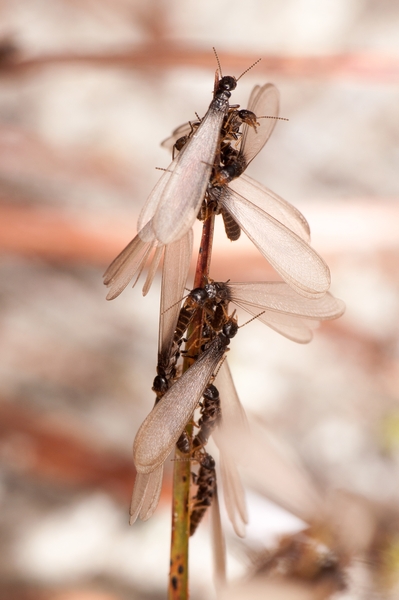
Eastern Subterranean Termites
Eastern subterranean termites are the most common termite species found in New York. They live in soil colonies and enter structures from below through foundation cracks, gaps, or areas where wood contacts the ground. These termites build mud tubes to protect themselves while traveling between their nest and food sources. Because they stay hidden inside walls and structural wood, infestations can develop for long periods before being noticed.
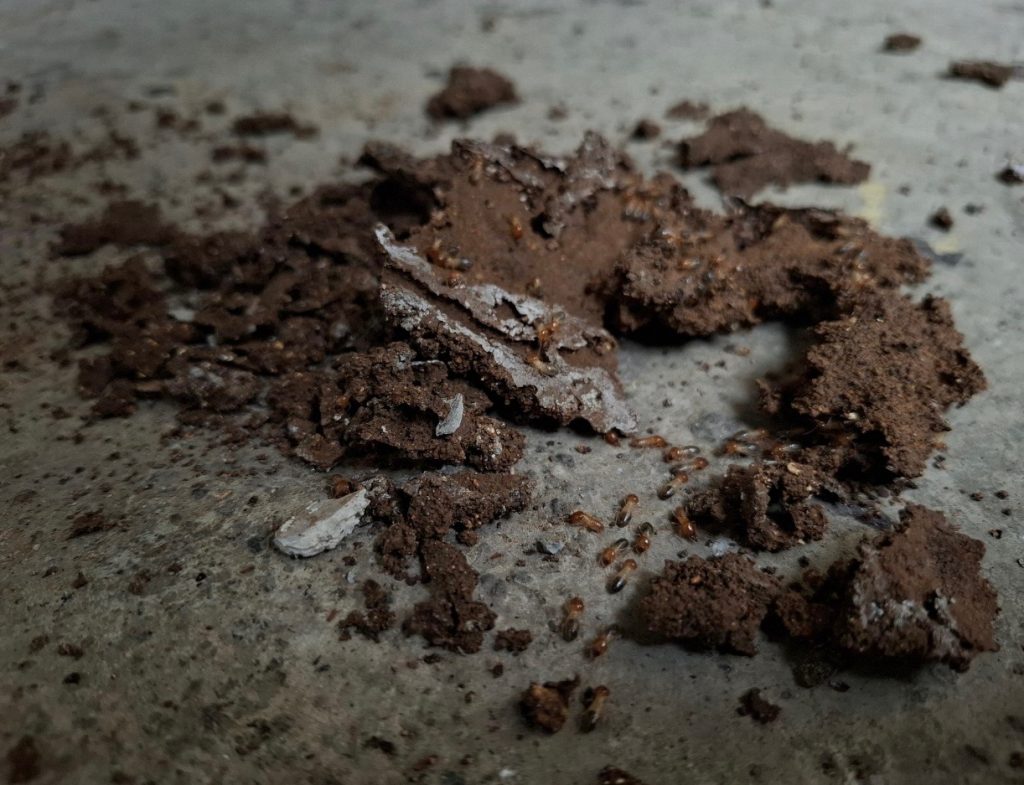
Formosan Termites
Formosan termites are considered a more aggressive type of subterranean termite, although they are less common in the Northeast compared to southern regions. They form larger colonies and can cause damage more quickly when present. While not frequently encountered in Queens, understanding their behavior is important because they can spread through transported materials or environmental changes over time.
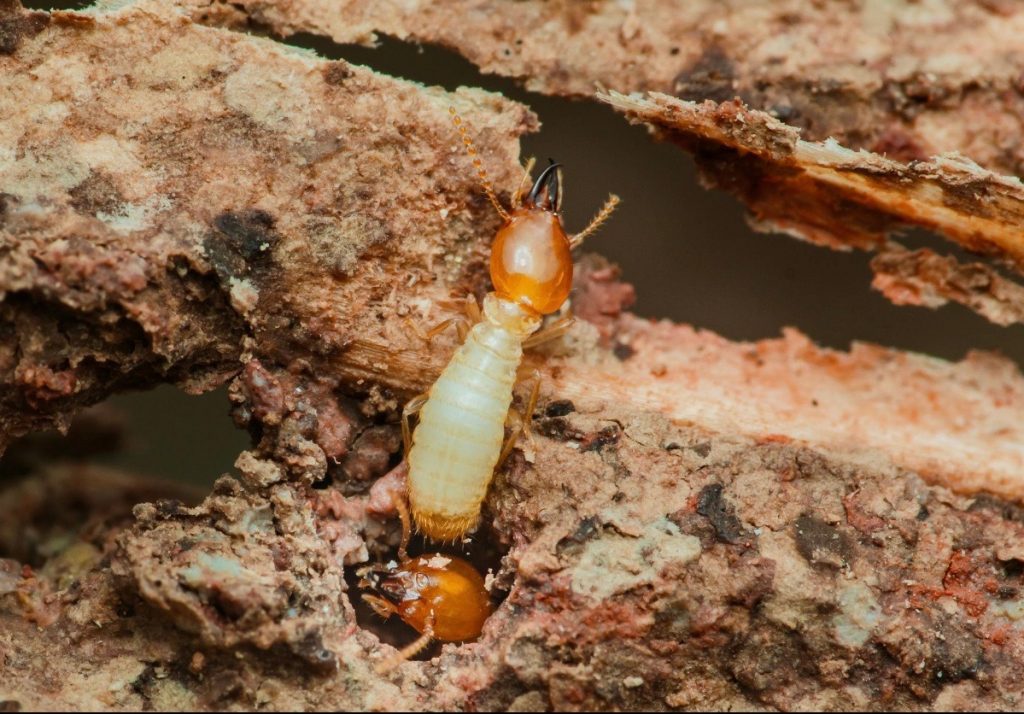
Drywood Termites
Drywood termites differ from subterranean termites because they do not require contact with soil. Instead, they live directly inside wood structures, furniture, or wooden materials. These termites are uncommon in New York but may occasionally appear through transported items such as furniture or building materials from other regions. Unlike subterranean termites, they create small exit holes and push out pellet-like droppings known as frass.
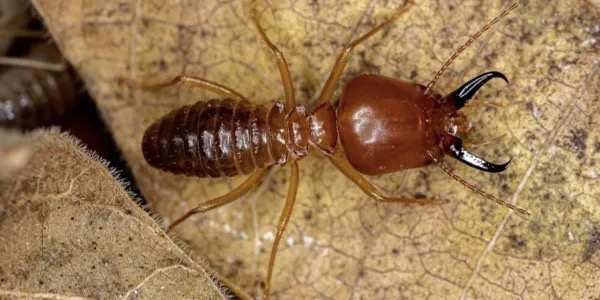
Dampwood Termites
Dampwood termites are typically associated with wood that has high moisture content or decay. They are not common structural pests in Queens but can appear in environments where wood remains wet for long periods, such as areas with leaks or severe moisture damage. Their presence usually indicates an underlying moisture issue that needs to be addressed.
Our Termite Inspection & Treatment Process
Every effective termite solution begins with a careful evaluation of the property. During this stage, areas where termites are most likely to enter or hide are examined, including foundations, structural wood, basements, crawl spaces, and moisture-prone zones. Instead of only looking for obvious damage, the goal is to identify subtle warning signs such as environmental conditions, access points, and risk factors that could allow colonies to develop. This approach helps create a clear understanding of what is happening behind walls and beneath surfaces, where termite activity often goes unnoticed.

Step One: Detailed Property Evaluation
Every effective termite solution begins with a careful evaluation of the property. During this stage, areas where termites are most likely to enter or hide are examined, including foundations, structural wood, basements, crawl spaces, and moisture-prone zones. Instead of only looking for obvious damage, the goal is to identify subtle warning signs such as environmental conditions, access points, and risk factors that could allow colonies to develop. This approach helps create a clear understanding of what is happening behind walls and beneath surfaces, where termite activity often goes unnoticed.

Step Two: Targeted Treatment Strategy
Once findings are confirmed, the next step involves selecting the most appropriate treatment approach for the structure and level of activity present. Termite control is not one-size-fits-all, so solutions may focus on eliminating active colonies, creating protective barriers, or addressing conditions that allowed termites to establish in the first place. Professional applications are designed to reach hidden areas where termites travel and feed, helping stop activity at the source rather than providing temporary relief. The objective is to reduce risk while protecting structural integrity.

Step Two: Targeted Treatment Strategy
After treatment is completed, ongoing protection becomes the priority. Preventative measures may include monitoring vulnerable areas, recommending moisture corrections, sealing potential entry points, and maintaining conditions that discourage termite activity from returning. Because termites work slowly over time, continued awareness and preventative steps are important for maintaining a termite-free environment. Long-term protection focuses not only on eliminating current problems but also reducing the chances of future infestations.
Expert Termite Inspection & Treatment Services
Termite problems rarely start overnight, and most property owners don’t realize there is activity until damage has already begun. That’s why a thorough approach to termite inspection and treatment focuses on more than just visible signs. It involves understanding how termites enter structures, what conditions allow them to survive, and where colonies are most likely to develop over time. By identifying both current activity and risk factors, treatment becomes more effective and long-lasting.
Professional termite services are designed to locate hidden activity, protect structural wood, and reduce the chances of future infestations. Whether termites are already present or a property owner simply wants peace of mind, early evaluation can make a significant difference in preventing costly repairs later. Every structure has unique conditions, so solutions are typically tailored to match the layout, construction type, and environmental factors surrounding the property.

Careful Structural Assessments
A detailed inspection focuses on areas where termites are most likely to hide, including foundations, support beams, basements, crawl spaces, and moisture-prone environments. Instead of only searching for obvious damage, attention is given to subtle warning signs such as entry points, wood conditions, and environmental factors that could support termite activity.

Modern Treatment Approaches
Termite control methods are designed to address both active infestations and potential vulnerabilities. Treatments may involve targeted applications to affected areas or protective measures around structural zones where termites typically travel. The goal is to eliminate activity while creating conditions that discourage colonies from returning.

Protection for Homes and Businesses
Termite services are available for residential properties as well as commercial buildings, including multi-unit structures, offices, and storage facilities. Protecting structural integrity is important in any environment, and preventative planning helps reduce long-term risks regardless of property size or usage.
Queens Service Areas for Termite Inspection & Treatment
Termites aren’t “everywhere the same” across Queens — the risk changes block by block depending on building age, moisture, foundation type, and how close wood sits to soil. In Queens, the main problem is typically subterranean termites, which live underground and work their way into structures through tiny foundation gaps, expansion joints, and utility entry points. That’s why neighborhoods with older basements, damp crawl spaces, poor drainage, or long-standing wood repairs tend to see more risk.
We provide termite inspections and termite treatment across Queens with a focus on catching the early signs most people miss — moisture patterns, wood-to-soil contact, and the quiet structural conditions that make a property attractive to termites. Whether you’re seeing suspicious damage or you just want to protect your investment, these are the Queens areas we commonly service.
Jamaica • St. Albans • Briarwood • Jamaica Hills • Hillcrest
This part of Queens has many properties with basements, yards, and older framing repairs, which can create opportunities for subterranean termites—especially when gutters drain toward the foundation or when wood touches soil near porches, steps, or exterior trim. A lot of termite problems here start outside and move inward through foundation gaps, then show up later as “mystery damage” around baseboards, door frames, or structural wood.
Queens Village • Cambria Heights • Springfield Gardens • South Ozone Park
These neighborhoods have more detached homes and outdoor space, which means more soil exposure around the foundation. Termite colonies commonly set up in nearby ground and work toward a structure when conditions are right. Properties with poor grading, damp corners, older deck/porch wood, or recurring water near the home can see higher risk. The key here is preventing a small underground issue from becoming structural damage later.
Elmhurst • Corona • Jackson Heights • Ridgewood
In these areas, you’ve got dense housing plus a mix of pre-war buildings, renovated units, and older wood framing. Termite risk often shows up where moisture hangs around: kitchens/bathrooms stacked over each other, older plumbing lines, and foundation corners that don’t dry out quickly. When there’s constant moisture and older wood, termites can stay active longer without anyone noticing until something starts to soften, warp, or sound hollow.
Astoria • Long Island City • Sunnyside • Woodside
These neighborhoods have a lot of older construction, shared walls, and mixed-use buildings, which can hide termite activity for a long time. Basement humidity, boiler rooms, utility chases, and older foundation lines can create the kind of moisture termites love underground. Termites don’t need a wide opening — they take advantage of hairline cracks and hidden entry points, especially around building edges and rear extensions.
Protect Your Property with Expert Termite Care Now
Discover how our comprehensive termite inspections and treatments safeguard your property. Take action today to prevent costly damage and ensure lasting peace of mind with Dreams Pest Control.