Expert Ant Control Services
Ants might be small, but once they get inside your home or business, they can turn into a major headache fast. In Queens, New York, ant infestations are extremely common — especially during warmer months when colonies expand and start searching for food and moisture indoors. Whether you’re noticing ants in your kitchen, bathroom, basement, or around entry points, professional treatment is often the only way to stop them completely.
At Dreams Pest Control, we specialize in identifying the source of ant infestations and eliminating the colony — not just the ants you see. Our goal is simple: solve the problem quickly and keep it from coming back.
Queens NY including St. Albans (11412), Addisleigh Park, Jamaica (11432, 11433, 11435, 11436), Hollis (11423), Queens Village (11427, 11428, 11429), Cambria Heights (11411), Laurelton (11413), Rosedale (11422), Springfield Gardens (11434), South Ozone Park (11420), Ozone Park (11416, 11417), Jamaica Estates (11432), Fresh Meadows (11365, 11366), Forest Hills (11375), Ridgewood (11385), Elmhurst (11373), Woodside (11377), Long Island City (11101), and Astoria (11102, 11103, 11105, 11106), as well as nearby Nassau border communities such as Elmont (11003), Valley Stream (11580), North Valley Stream (11580), Lynbrook (11563), Franklin Square (11010), West Hempstead (11552), Malverne (11565), Floral Park (11001), and New Hyde Park (11040).

Residential Ant Control
Ants inside your home can contaminate food, spread bacteria, and create ongoing frustration. We treat apartments, houses, basements, kitchens, and entry points using targeted solutions designed for long-term results.

Commercial Ant Control
Businesses need a clean and pest-free environment to operate safely. We provide customized ant treatment plans for restaurants, offices, warehouses, retail stores, and multi-unit properties throughout Queens.

Ant Prevention Strategies
Stopping ants from returning is just as important as removing them. We help identify entry points, nesting areas, and conditions attracting ants so your property stays protected moving forward.
Expert Ant Control Solutions for Homes and Businesses in Queens
Many homeowners try store-bought sprays or DIY treatments when ants first appear, but these methods usually only kill the visible insects — not the colony causing the infestation. Ant colonies can contain thousands of members, and unless the nest is eliminated, the problem often returns.
Our professional ant exterminator services focus on locating nesting areas, treating active colonies, and creating protective barriers around your property. This approach provides faster relief and longer-lasting protection compared to temporary solutions.
Comprehensive Ant Identification
Not all ants behave the same, and proper identification is the first step to solving the problem correctly. In Queens homes, we commonly see pavement ants, odorous house ants, and carpenter ants — each requiring a different treatment approach. We take the time to determine where the ants are coming from, what is attracting them, and where the colony may be located so the solution targets the source instead of just the surface activity.
Targeted Ant Treatment Methods
Effective ant control isn’t about spraying random areas — it’s about strategy. Our treatments focus on eliminating active colonies, disrupting ant trails, and applying professional-grade products in key locations where ants travel and nest. This approach helps reduce activity quickly while also providing longer-term protection compared to over-the-counter solutions.
Long-Term Ant Prevention
Once ants are removed, preventing them from returning becomes the priority. We help identify small entry points, moisture conditions, and food sources that may be attracting colonies to your property. With simple adjustments and preventative treatment options, many customers are able to maintain an ant-free environment moving forward.
Understanding Ant Behavior and Infestations in Queens NY
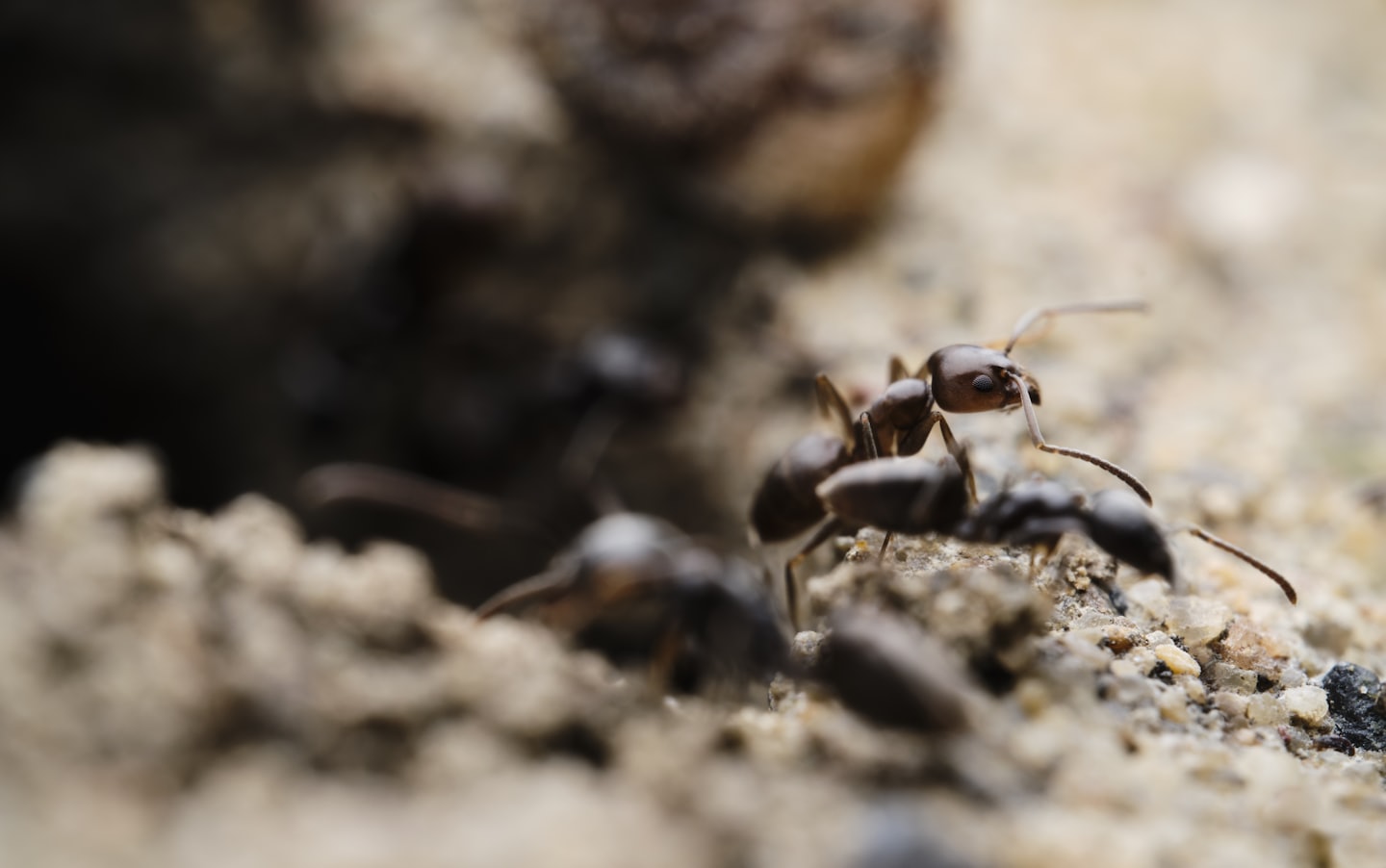
Ants are highly organized insects that survive by adapting to their environment. Knowing how they live helps explain why infestations happen and why they can be difficult to control.
Ant Colonies and How They Grow
Ants live in structured colonies that revolve around a queen whose main role is reproduction. Worker ants leave the nest to search for food, water, and shelter, often traveling long distances through tiny openings to reach indoor spaces. Once a reliable food source is found, they create chemical scent trails so other ants can follow the same path. This is why homeowners often notice consistent lines of ants moving along walls, floors, or countertops. Because colonies can contain thousands of ants, visible activity inside usually means the nest is already established nearby.
Why Ants Thrive in Urban Areas
Cities like Queens provide ideal conditions for ants to survive. Buildings create warmth during colder months, while landscaping, sidewalks, and foundations offer protected nesting locations. Food waste, moisture from plumbing, and small structural gaps give ants easy access to indoor environments. Older buildings and multi-unit housing can also increase activity because colonies may spread between connected spaces. Seasonal weather changes play a role as well — activity often increases during spring and summer when colonies expand, but indoor infestations can occur year-round once ants find stable conditions inside.
Why Ant Problems Can Return
Ant infestations sometimes reappear after DIY treatments because many store products only affect the ants you see, not the colony itself. Some species can split into multiple nesting groups when disturbed, which may cause activity to spread instead of disappear. Without addressing the nest location and conditions attracting them, ants can continue to return over time. Professional pest control focuses on understanding colony behavior and eliminating the source so the problem is controlled more effectively.
Ant Activity Across Queens Neighborhoods
Different parts of Queens create different conditions for ant infestations. Housing density, landscaping, moisture levels, and building age all influence the types of ants commonly found in each area.

Jamaica, St. Albans & Queens Village
Detached homes, yards, and tree coverage in these neighborhoods can attract carpenter ants, especially where wood moisture or structural damage is present. Pavement ants and small house ants are also frequently seen entering through foundation gaps, door frames, and utility openings. Seasonal changes play a strong role in these areas, with increased activity during spring and summer when colonies grow and forage more aggressively.
South Ozone Park, Springfield Gardens & Cambria Heights
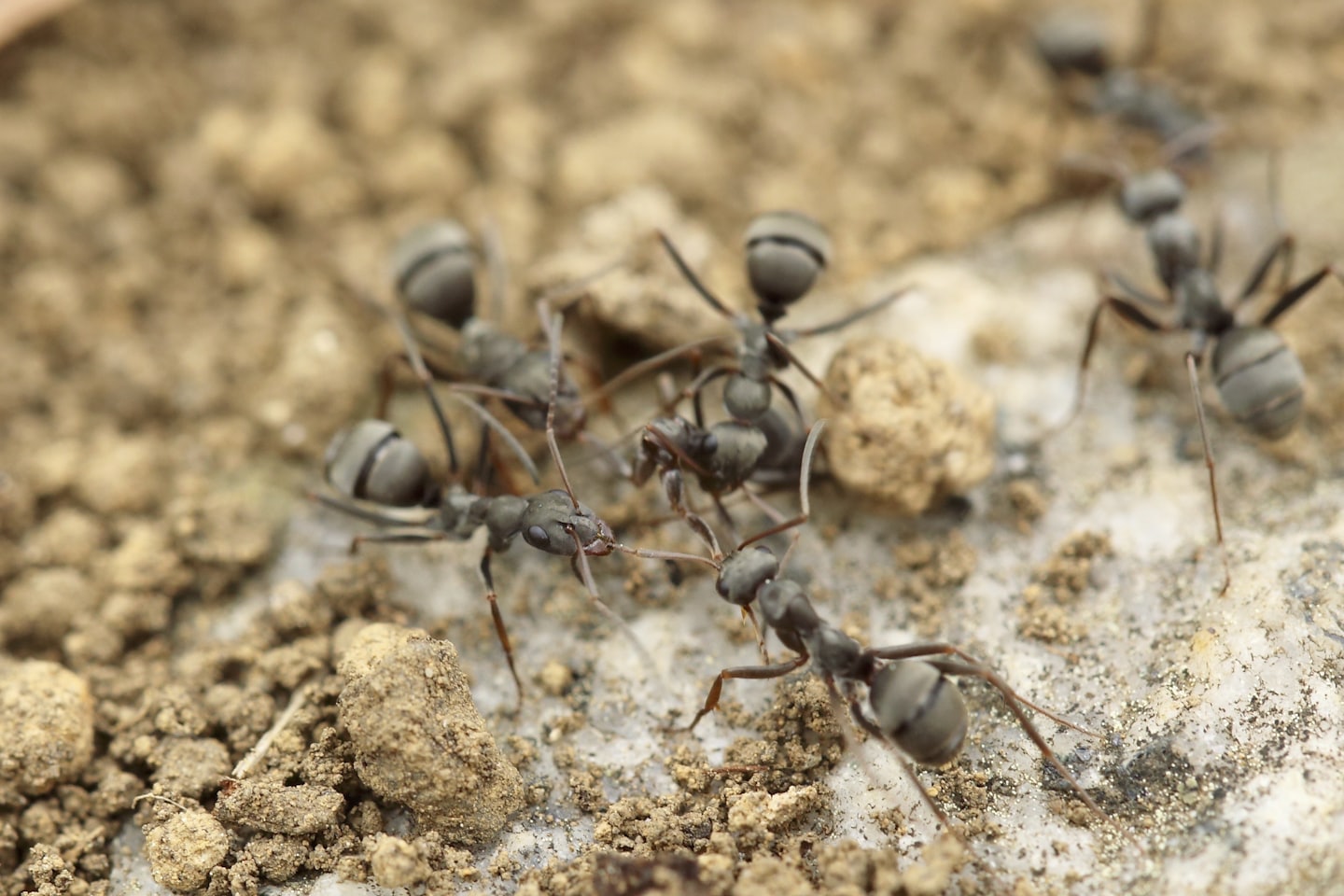
Homes in these neighborhoods often have outdoor space, soil contact, and landscaping that can support large ant colonies near the property. Exterior nesting close to foundations is common, which allows ants to enter indoors through small cracks or structural openings. Moisture around basements, crawl spaces, or plumbing areas may also increase activity. Early detection and treatment can help prevent colonies from establishing long-term presence inside the home.
Flushing & Jackson Heights
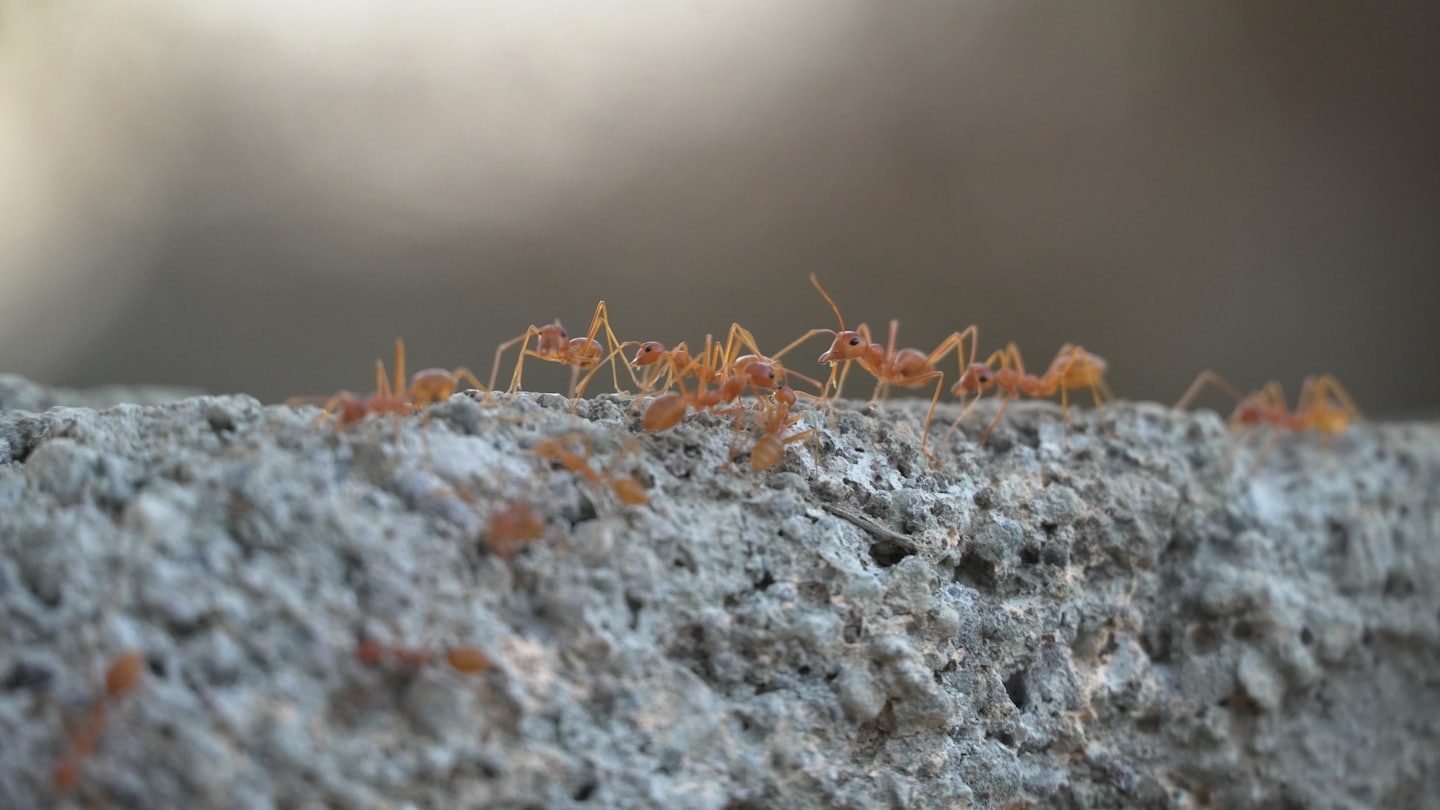
These areas combine residential homes, apartment buildings, and landscaping, creating favorable conditions for several ant species. Pavement ants and sugar-seeking ants are commonly attracted to food sources inside homes, while exterior nesting may occur near walkways, gardens, or foundations. During warmer months, activity often increases as colonies expand and search for water. Properties with moisture issues or food storage areas tend to experience recurring infestations without proper treatment.
Astoria & Long Island City
Buildings in Astoria and Long Island City often experience ant activity due to dense housing, shared walls, and older structural foundations. Pavement ants are very common in these neighborhoods because they nest in sidewalk cracks, concrete gaps, and building edges. Odorous house ants are also frequently found indoors, especially in kitchens and bathrooms where moisture is present. Multi-unit buildings can allow colonies to spread between apartments, which is why infestations sometimes appear in multiple units at once.
Common Ant Species Found in Queens NY and Their Behavior
Not all ants behave the same, and understanding the type of ant involved plays a major role in how infestations are handled. In Queens and surrounding areas, several species are commonly encountered in residential and commercial properties, each with different nesting habits, food preferences, and activity patterns.
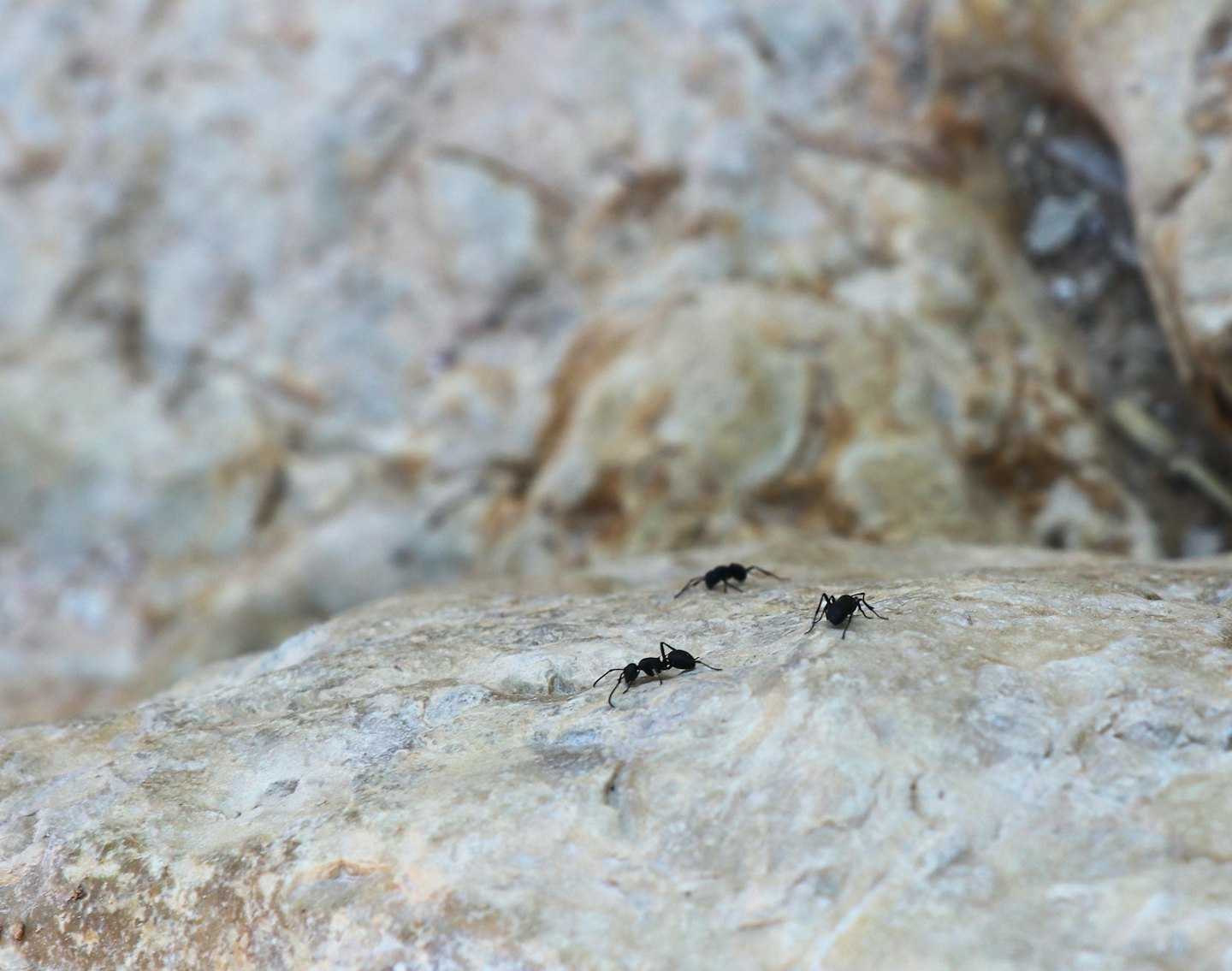
Pavement ants are among the most frequently seen species in New York. They typically nest outdoors in soil, sidewalks, driveways, and foundation cracks, but they often enter homes while searching for food. These ants are usually small and dark in color and tend to form visible trails along floors, walls, and countertops once they locate a reliable food source.
Odorous house ants are another common indoor invader. They are attracted to sweets and moisture and are often found in kitchens, bathrooms, and around plumbing areas. When crushed, they release a noticeable odor, which is how they get their name. These ants can create multiple nesting sites, which sometimes makes infestations appear to spread quickly.
Carpenter ants are larger than most other species and are known for nesting inside wood. Unlike termites, they do not eat wood, but they tunnel through it to create galleries for their colony. Homes with moisture-damaged wood, leaks, or structural gaps may be more vulnerable to carpenter ant activity. Early detection is important because long-term infestations can lead to structural concerns.
In some cases, small sugar ants or moisture ants may also be present, especially in environments where food debris or humidity levels are higher. Seasonal changes influence activity as well, with spring and summer typically bringing increased movement as colonies expand and forage more aggressively.
Understanding these behavioral differences helps determine the most effective approach for control and prevention. Identifying the species, locating the nest, and addressing conditions that attract ants are key steps toward reducing infestations and preventing them from returning.