
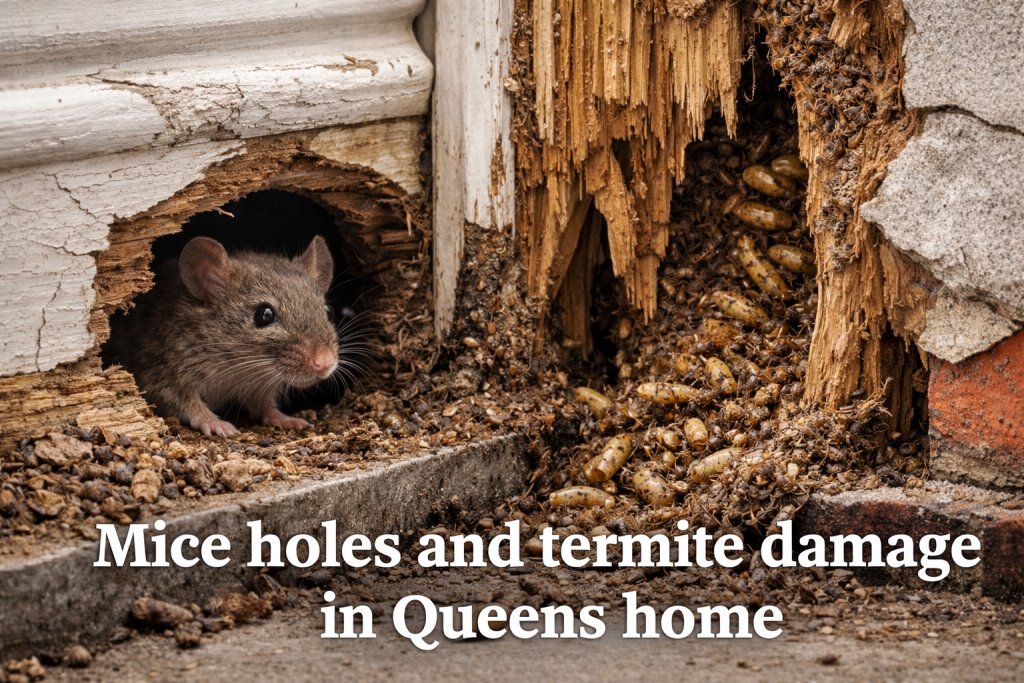
When most homeowners think about pests, they usually separate the problem into categories. Mice are seen as a rodent issue. Termites are seen as a wood-destroying insect issue. But in real homes, especially older homes across Queens, the conditions that allow one pest problem to grow can also create the perfect setup for another. That is why a house with rodent entry points, small wall gaps, damaged trim, or moisture around the structure may end up facing both mice and termites at the same time.
The connection is not that termites and mice always use the exact same opening. The stronger and more accurate explanation is that both pests take advantage of weak structural conditions. The CDC says mice can fit through a hole about the width of a pencil, around 1/4 inch or 6 millimeters. UC IPM explains that drywood termite kickout holes are much smaller, typically less than 2 millimeters. That means a normal termite hole is too small for a mouse by itself, but termite-damaged wood can weaken an area, and mice can exploit weak gaps and edges around that damage later.
For Queens homeowners, this matters because many houses have aging foundations, basement utility penetrations, crawl space moisture, worn siding, old trim, and vulnerable framing. Those conditions can lead to mice entry points, termite access points, wood damage, moisture buildup, and repeat infestations if they are not corrected. A quick treatment might help for the moment, but long-term protection comes from finding the weak spots in the structure and fixing them before they turn into a larger pest issue.
Why small mouse holes are a much bigger problem than they look
A lot of homeowners expect a serious rodent problem to come from a large visible opening. In reality, that is usually not how it starts. Mice only need a very small gap to get inside. According to the CDC, they can fit through a hole about 1/4 inch wide, which is why tiny openings around pipes, siding lines, utility penetrations, door sweeps, vents, and foundation seams can become real entry points. Once that happens, mice can move through wall voids, insulation, attics, basements, and cabinets with very little visibility.
That is why terms like mice holes, mouse entry points, rodent entry holes, mice in walls, mice in basement, mice in attic, mouse infestation, and rodent proofing are so important for homeowners searching online. The problem often starts in a hidden place. It may be behind a stove, under a sink, around a boiler line, near an electric meter, at the sill plate, or at a basement penetration that was never properly sealed. In Queens homes, especially attached or older homes, one weak spot can quickly turn into a repeat access route if it is not professionally closed off.
How mice make weak openings worse over time
Once mice find an opening, they do not just use it once and leave. They keep coming back through the same vulnerable area if food, warmth, and shelter are nearby. That repeated activity turns a small defect into a much more serious structural weakness. Rodent exclusion guidance from public agencies focuses heavily on sealing these openings because gaps that remain open allow repeated entry and ongoing infestation risk. CDC guidance also recommends sealing holes and preventing access as a core part of rodent control.
This is one reason mouse proofing, mice exclusion, rodent exclusion, seal mouse holes, close entry points, and seal gaps around pipes are not small details. They are the difference between a temporary cleanup and a long-term solution. A home with even a few minor openings may end up with droppings, gnaw marks, odor, contaminated insulation, chewed food packaging, and scratching inside the walls. The CDC also notes that contact with rodent droppings, urine, and nesting material can create health risks, which makes proper cleanup and exclusion just as important as trapping.
How termites enter homes
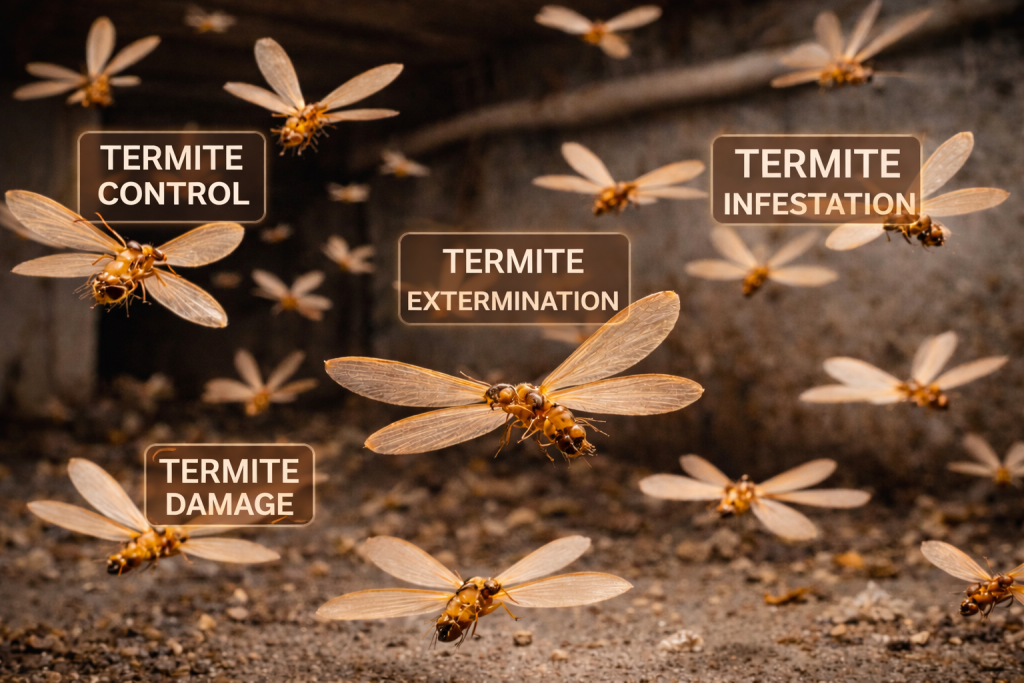
Termites work differently from mice, but they thrive in many of the same neglected conditions. Moisture, exposed wood, hidden access around structural penetrations, and wood close to soil all increase termite risk. EPA guidance and EPA materials on termite treatment repeatedly point to moisture control, plumbing issues, utility penetrations, and vulnerable wood contact as major factors in preventing infestation and limiting access.
That is why homeowners dealing with termite control, termite prevention, termite inspection, termite treatment, termite entry points, termites in wood, termites in walls, and termite damage repair should think beyond just visible insects. The real issue is often the structure itself. A damp sill plate, rotted trim board, leaky crawl space, poorly graded foundation edge, or wood-to-soil contact can quietly create the kind of environment termites need. In Queens, where many homes have basements, porches, aging exterior wood, and long-term moisture wear, these conditions can stay hidden for a long time before the damage becomes obvious.
Can mouse holes lead to termites?
This is one of the best search questions for this topic, but it should be answered carefully. A mouse hole does not directly create termites. The stronger explanation is that mouse entry often reveals structural problems already present in the house. If mice are entering around pipe gaps, damaged siding, cracked foundations, basement seams, or loose trim, those same areas may also trap moisture, expose vulnerable wood, or connect to conditions termites like. EPA guidance highlights moisture and access around building details as key termite concerns, while CDC guidance confirms that very small openings are enough for mice to get in.
So the fact-based answer is this: mouse entry points can expose or worsen weak areas that may later support termite access. That is different from saying mice cause termites. What really connects them is structural neglect. The house already has a vulnerability. Mice may use it first. Termites may benefit from the same weakness later if moisture, wood exposure, and hidden access remain.
Can termite damage turn into a mouse problem?
This is where the overlap becomes easier to understand. UC IPM notes that drywood termite kickout holes are typically less than 2 millimeters. So a normal termite hole is not a mouse opening. But termite damage weakens wood, and weakened wood can become easier for rodents to exploit. Soft trim, hollowed material, loose framing edges, damaged baseboards, window surrounds, and weakened wall edges may all become easier targets once the structure has already been compromised.
That is why termite damage and mice, weakened wood and mice, can termite damage attract mice, and can rodents use termite damaged areas are strong keyword ideas for this article. The better phrasing is not “termites make mouse holes.” The better phrasing is that termite activity can leave wood weaker, and mice can later take advantage of that weakness by using nearby gaps or enlarging compromised sections. That is the kind of explanation that sounds professional, accurate, and trustworthy.

Moisture is one of the biggest hidden causes behind both problems
If there is one thing that quietly pushes homes toward multiple pest issues, it is moisture. EPA moisture-control guidance points to wet or damp spots, plumbing leaks, water intrusion, condensation, and leakage around building penetrations as major building concerns. Those same conditions can damage materials, soften wood, increase deterioration, and create the kind of hidden structural wear that makes both termite activity and rodent access more likely.
This is why moisture and pest damage, wood rot and termites, damaged wood pests, home pest vulnerabilities, and home maintenance and pest prevention are smart topics to include naturally in the blog. A house with moisture issues is rarely just dealing with appearance. It may be dealing with soft wood, separated joints, loose trim, weakened sill plates, hidden wall damage, and exterior gaps that open the door to larger pest problems. In many Queens homes, basement humidity, roof leaks, clogged drainage, and neglected repairs make this even more common.
Common areas where Queens homes become vulnerable
Most infestations do not start in the middle of an open room. They start in overlooked parts of the structure. Some of the most common risk areas include basement utility entries, foundation cracks, crawl spaces, sill plates, lower framing, damaged siding, porch wood, garage edges, door thresholds, and gaps around plumbing penetrations. EPA documents specifically call out utility entry points, plumbing leaks, moisture problems, and wood vulnerable to termite access as important risk areas to inspect and correct.
For local SEO, this section helps support terms like foundation pest entry, gaps around pipes, hidden pest entry points, pest entry around foundation, pests entering through utility lines, and structural pest damage. It also helps connect the article to what Queens homeowners actually deal with: older basements, shared walls, attached properties, concrete cracks, aging exterior trim, and water-prone lower levels.

Signs of mice in walls and signs of termites in wood
Homeowners should know what to watch for before the damage gets expensive. Signs of mice often include droppings, scratching sounds, gnaw marks, food damage, nesting material, and activity under sinks, near appliances, or along wall lines. The CDC stresses that rodent waste and nesting material require careful handling because of possible disease risk.
Signs of termites can include mud tubes, weak or hollow-sounding wood, swarmers, shed wings, pellets in drywood termite cases, and visible wood breakdown. UC IPM identifies fecal pellets and kickout holes as classic drywood termite evidence. These signs support strong keyword use for termite mud tubes, termite signs, termite swarmers, termite wings, termite wood damage signs, signs of mice in walls, and home pest inspection.
Why exclusion matters more than quick treatment alone
A lot of pest problems come back because treatment is done without structural correction. Mice may be trapped, but the openings stay open. Termites may be treated, but the moisture and damaged wood remain. That leaves the house vulnerable to the same problem all over again. Public guidance for rodent prevention centers heavily on sealing openings, and EPA materials for building moisture and termite-related conditions focus on fixing the environment that supports infestation.
That is why home exclusion service, pest exclusion service, rodent sealing service, foundation crack sealing, seal termite entry points, basement pest proofing, crawl space pest control, and wood protection from termites matter so much. Good pest control is not just about killing what you see. It is about removing access, correcting moisture, repairing damage, and making the house harder to exploit.
Why this topic matters for Queens SEO
For local search, this article gives you a strong angle because it connects informational intent with local intent. A homeowner might search for can mice holes lead to termites, termite damage and mouse entry points, mice in walls Queens, termite control Queens NY, mouse exterminator Queens NY, rodent exclusion Queens NY, or termite inspection Queens NY. This blog can speak to all of those naturally because it explains the connection between structural gaps, moisture, wood damage, and pest activity in a local housing context.
Queens homes often have exactly the conditions that make this topic relevant: attached walls, older foundations, basement lines, worn wood, porch framing, crawl spaces, and hidden moisture issues. That makes keywords like pest control Queens NY, mice control Queens, rodent control Queens NY, termite treatment Queens, termite damage repair Queens, emergency pest control Queens, same day exterminator Queens, and local exterminator Queens NY fit naturally without sounding forced.
What homeowners should do next
If you suspect mice, termites, or both, the smartest move is to stop thinking of the problem as only a treatment issue. Start with the structure. Look for openings. Look for damaged wood. Look for leaks, damp areas, basement penetrations, gaps around pipes, and areas where wood sits too close to soil or moisture. Then move into proper sealing, repair, and targeted treatment.
A solid process includes checking for mouse holes, rodent entry holes, termite damage, termite activity, gaps around pipes, foundation cracks, crawl space moisture, and damaged trim. It also means correcting drainage, fixing leaks, sealing access points, and repairing vulnerable wood before the problem grows. EPA and CDC guidance both support the bigger principle behind this article: prevention works best when the building conditions are fixed, not just the visible pest activity.
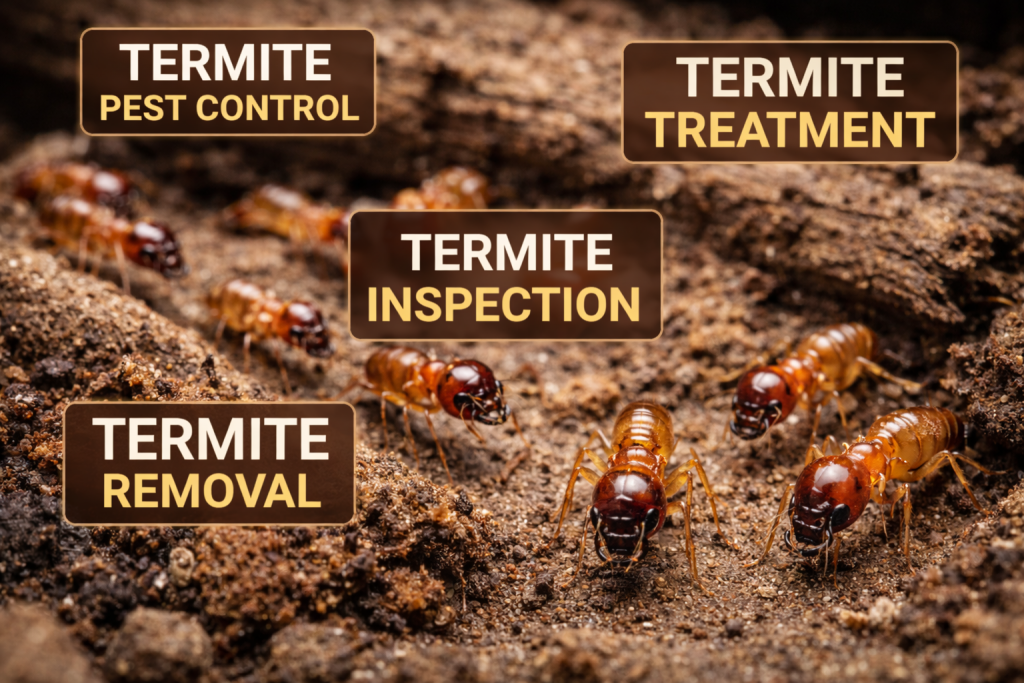
The truth about mice holes and termite damage is simple. One pest does not automatically create the other, but both can take advantage of the same weaknesses in a house. Mice can enter through tiny openings and keep using them. Termites can exploit moisture, exposed wood, and vulnerable structural areas. Over time, those problems can overlap, and one neglected issue can turn into two.
That is why Queens homeowners should take mice holes, mouse entry points, rodent holes, termite entry points, termite damage, foundation cracks, moisture issues, damaged wood, and hidden pest entry points seriously. The best long-term solution is inspection, exclusion, moisture control, repair, and prevention. When the structure is protected, the pests lose the advantage.
FAQ
Can mice holes attract termites?
Not directly, but the same weak and damp areas around mouse entry points can also support termite access later if the conditions are right.
Can termites make holes big enough for mice?
A normal drywood termite kickout hole is much too small for a mouse, but termite-damaged wood can leave an area weak enough for rodents to exploit later.
Why are Queens homes at risk for both?
Older construction, moisture-prone basements, utility penetrations, aging trim, and foundation wear all increase vulnerability.
What matters more, treatment or sealing?
Both matter, but sealing, moisture correction, and repairs are what stop the problem from coming back.
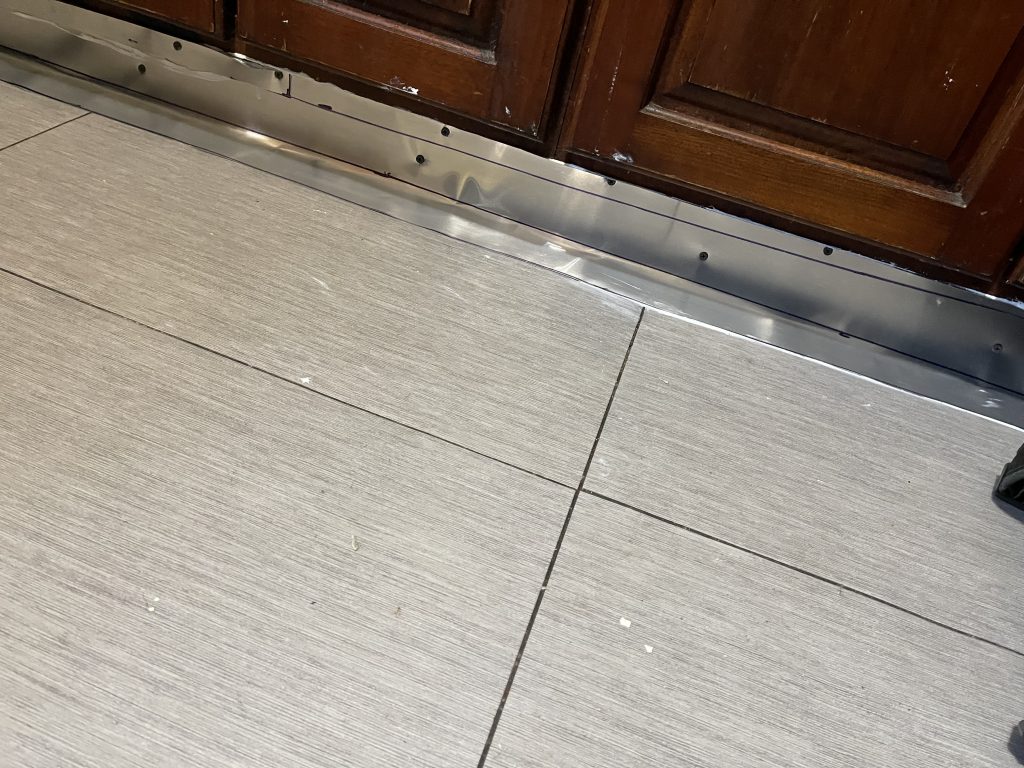
How to Seal Up to Prevent Rodents — Centers for Disease Control and Prevention (CDC) https://www.cdc.gov/healthy-pets/rodent-control/seal-up.html
Good for facts about mice getting through very small openings and why sealing gaps matters.
Termites: How to Identify and Control Them — U.S. Environmental Protection Agency (EPA) https://www.epa.gov/safepestcontrol/termites-how-identify-and-control-them
Good for facts about termite damage, prevention, and how termites affect homes.
Drywood Termites — University of California Integrated Pest Management (UC IPM) https://ipm.ucanr.edu/home-and-landscape/drywood-termites/?utm#gsc.tab=0
Good for facts about drywood termites, swarmers, hidden infestations, and wood damage.
Subterranean Termites— — USDA Forest Service
Good for facts about subterranean termites, home protection, and termite prevention in structures. https://www.srs.fs.usda.gov/pubs/misc/misc_hg064.pdf?utm
Termite Control — Purdue University Extension
Good for facts about termites needing wood and moisture, wood-to-soil contact, and mud tubes or shelter tubes. https://extension.entm.purdue.edu/publications/E-4/E-4.html?utm_
Explore Our Pest Control Pages
Learn more about our services:
Rodent Exclusion |


Leave a Reply