
By Malik Capers, Dreams Pest Control

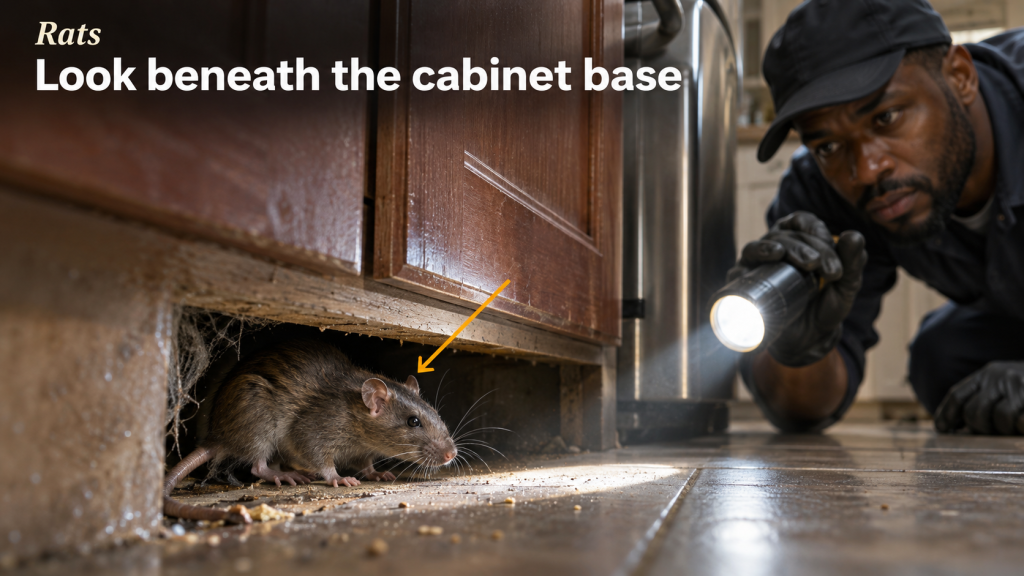
In a Cambria Heights kitchen, the most useful view in the room was the one you could get with a flashlight at floor level. Rats were coming through the recess beneath the cabinets. We installed metal mesh and reinforced the opening with wood to block the route they were using.
This proactive measure effectively closed off their entry point.
This proactive measure effectively closed off their entry point and prevented future infestations.
Such observations are crucial for identifying pest access points.
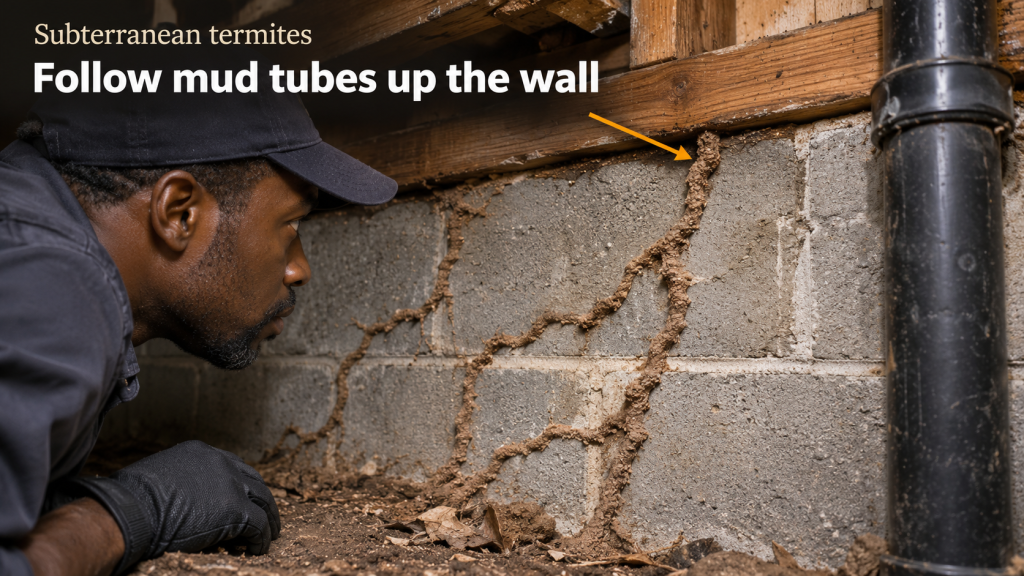
In a Corona boiler room, looking down would have missed the best clue. Brown termite tubes ran up the masonry beside a black pipe, toward the wood framing. In Laurelton, the opening we needed to see was higher still, along the roof.
The connections between buildings and their environments can lead to different pest issues.
Such observations are crucial for identifying pest access points and preventing further damage.
Where you look matters. The history of the building also plays a role. Queens grew around various landmarks and structures, influencing pest access in unique ways.
This guide follows those differences across the borough. The service calls described are our own, while the other examples show what to investigate when your property has the conditions described.
Addressing these conditions can significantly reduce rat sightings.
Identifying their path helps in implementing effective control measures.
Astoria | Watch the route between the rear fence and the bins
Astoria | Watch the route between the rear fence and the bins
Central Astoria recorded 558 rat-sighting reports from January through October 2026. One address accounted for hundreds of reports, highlighting the importance of addressing persistent conditions.
Regular inspections can help maintain a pest-free environment.
Rats often cross two yards to reach food under a bin. Secure the food waste and clean the area to deter them.
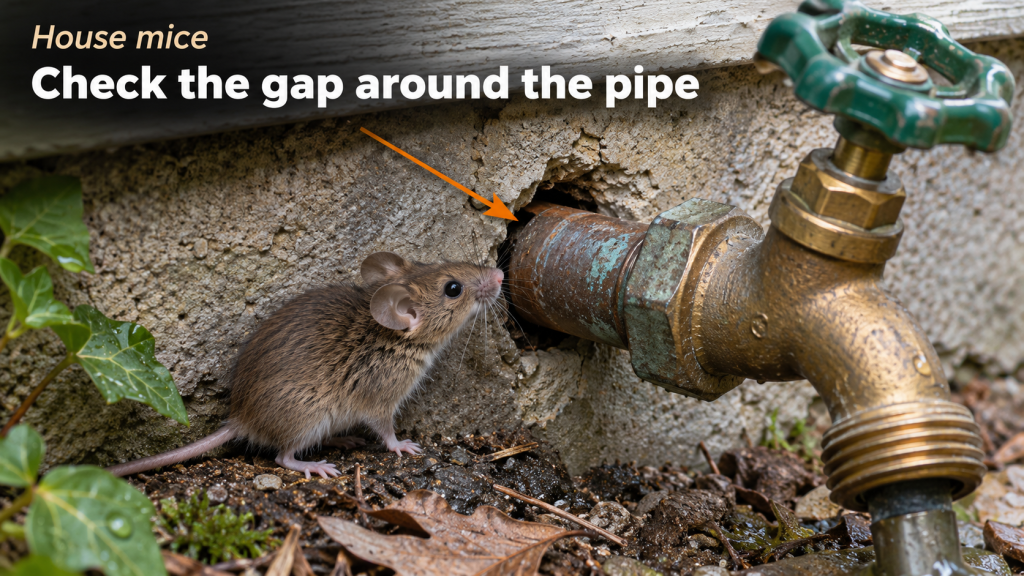
House mice. At a rear kitchen door, check both bottom corners with the door closed. A sweep can touch the threshold in the middle and leave daylight at one end. Replace a damaged sweep and store pet food in a rigid container with a lid.
Long Island City | Follow the building from the loading door upstairs
Check the lowest storage shelf and the pipe openings immediately behind it for signs of house mice. Isolate gnawed goods and protect the remaining stock.
Rats. A loading door can stay open long after a delivery is complete. If sightings follow deliveries, record the hour and check whether the door closes fully after the cart leaves.
Long Island City | Follow the building from the loading door upstairs
Rail terminals opened on the western Queens waterfront in 1854 and 1861. Industry concentrated around the East River and Newtown Creek during the second half of the nineteenth century.
On a property with a loading entrance, storage area, and occupied floors above, today’s deliveries and utility lines give an inspector three distinct places to start.
Sunnyside | Read a courtyard from the center outward
Sunnyside Gardens was built from 1924 to 1928. Its planners arranged low-rise homes around large interior gardens. That layout gives residents a practical way to narrow down activity. Something seen at several garden-facing doors deserves a look from the courtyard side as well. See the Landmarks Preservation Commission’s guide to Sunnyside Gardens. (https://www.nyc.gov/assets/lpc/downloads/pdf/pubs/ssg_manual_september_09.pdf)
Mosquitoes. Inspect courtyard objects after rain. A folded chair cover or saucer beneath a planter can hold water after the paving dries. Empty and scrub containers and turn unused items over so they can’t refill.
Pavement ants. Ants coming from a paving joint may follow the wall to a garden-facing kitchen. Watch where the trail crosses the threshold.

Woodside | What the basement stairs can tell you
Stand at the bottom of an exterior basement stairway and look back toward the door. You can see where leaves collect, whether water sits against the sill, and which corner of the frame has deteriorated.
Five different pests can use five different features of that small space.
Stand at the bottom of an exterior basement stairway and look back toward the door. You can see where leaves collect, whether water sits against the sill, and which corner of the frame has deteriorated. Five different pests can use five different features of that small space.
Sunnyside | Read a courtyard from the center outward
Sunnyside Gardens was built from 1924 to 1928. Its planners arranged low-rise homes around large interior gardens. That layout gives residents a practical way to narrow down activity.
Something seen at several garden-facing doors deserves a look from the courtyard side as well.
Jackson Heights | When two apartments report the same pest
One of the best questions a resident can ask is, “Is anyone seeing this on the other side of the wall?” Give management the room and fixture involved. Two reports of roaches beside vertically aligned sinks are much more useful than two general complaints about bugs.
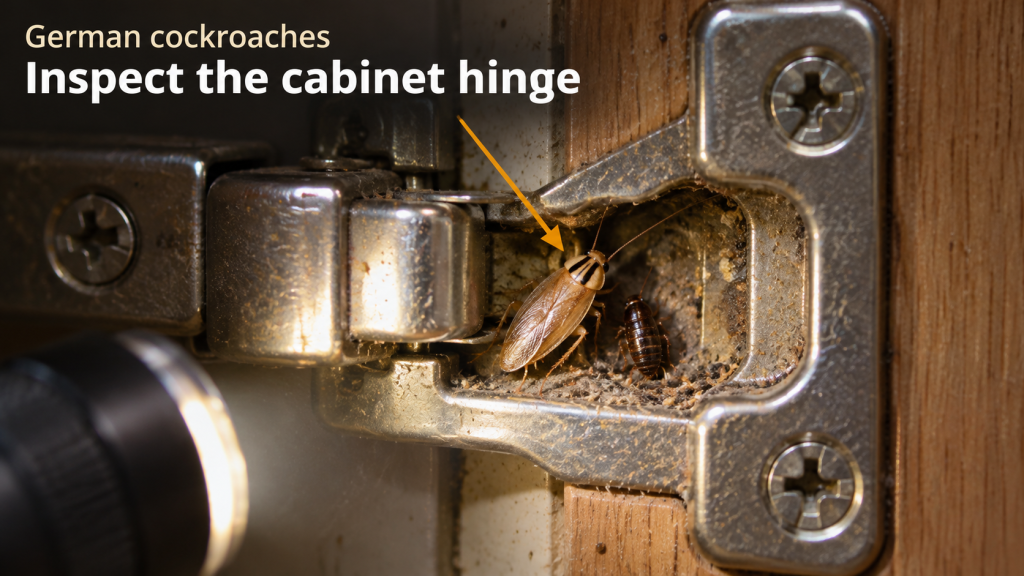
German cockroaches. Look at the rear corners of kitchen and bathroom cabinets where pipes pass through the wall. Record recurring sightings of young roaches, repair leaks, and ask for adjoining spaces to be checked when activity returns.
House mice. Droppings beneath a sink may trace back to the oversized opening around the drainpipe. Remove accessible food, photograph the opening, and ask for an inspection of the utility route before finishing the cabinet repair.
Bed bugs. Check headboard joints and the seams of the chair or sofa where someone regularly rests. Save a specimen in a sealed container if possible. Keep bedding and cushions in the affected room while arranging identification.
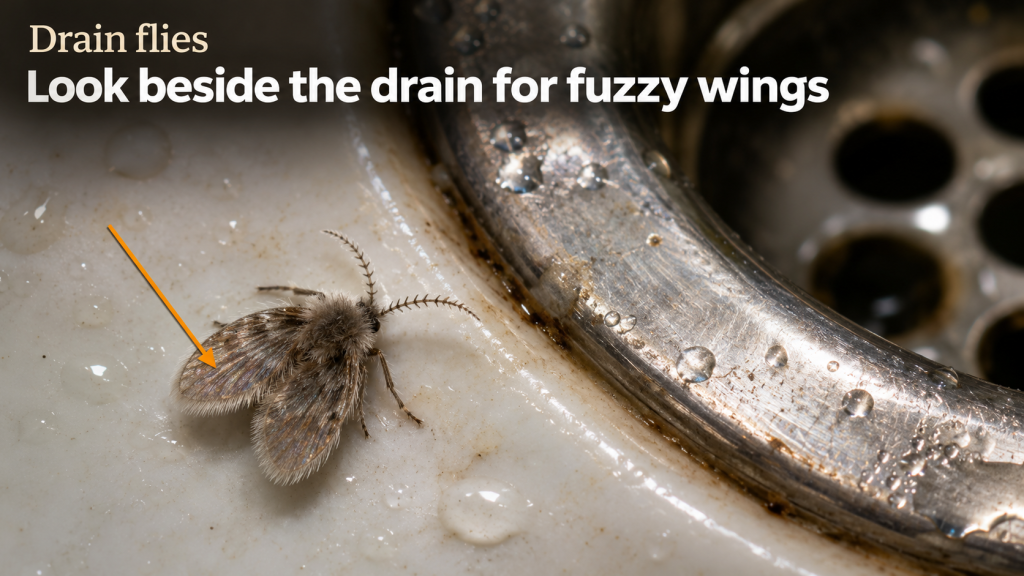
Drain flies. If one bathroom has fuzzy flies but the next room doesn’t, write down which fixture they gather around. The larvae can develop in drain film. Cleaning that buildup and correcting leaks addresses the source.
Clothes moths. Irregular damage to a wool coat hanging undisturbed can come from larvae feeding in protected folds. Inspect cuffs, collars, and nearby woolens. Clean affected garments according to their care labels before enclosing them for storage. EPA’s bed bug identification guide (https://www.epa.gov/bedbugs/how-find-bed-bugs) · NYC guidance for building managers (https://www.nyc.gov/site/doh/health/health-topics/pests-and-pesticides-laws.page)

Elmhurst | A bedroom insect, a damaged sweater, and a moth in the hall
These three discoveries can send a household looking for one explanation. Start by identifying what was actually damaged. An insect feeding on stored food leaves different evidence from one feeding on fabric or visiting a sleeping person.
Bed bugs. Use a flashlight along mattress piping and the joints behind the headboard. Look for a bug, shed skin, or dark spotting. Bites alone are a poor identifier. Photograph physical evidence before moving belongings.
Carpet beetles. A small adult beetle on a windowsill can draw attention away from larvae feeding under an undisturbed wool rug. Check the rug edge, lint, and pet hair beneath furniture. Vacuum those areas and clean affected textiles.
Clothes moths. Damage concentrated in the folds of stored wool or cashmere points toward a closet inspection. Check garments on either side of the damaged piece, clean them appropriately, and store clean seasonal items in closed containers.
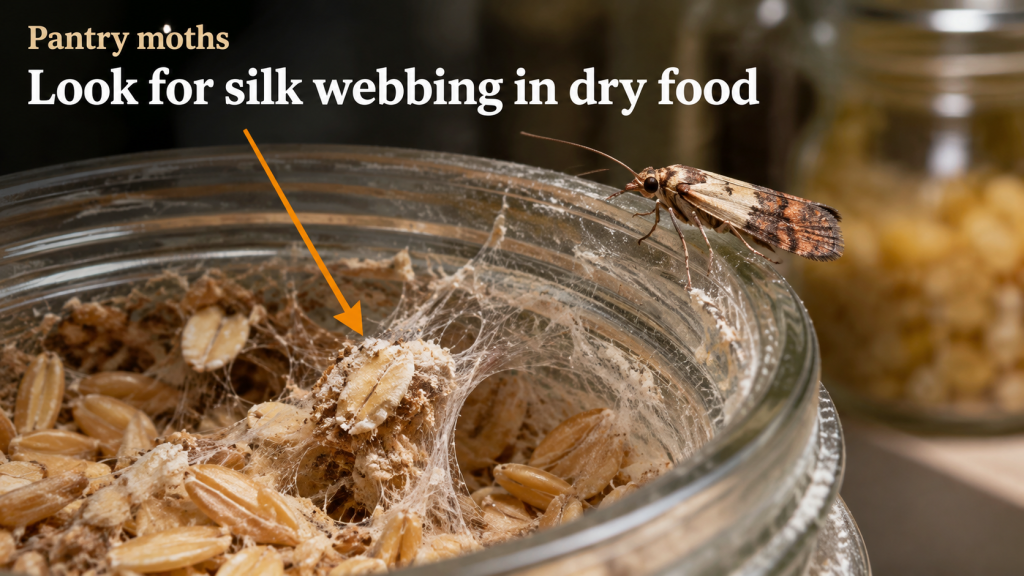
Indianmeal moths. If the moths are near the pantry, inspect cereal, nuts, dried fruit, and pet food for webbing. Remove the affected package and inspect neighboring food before replacing anything.
German cockroaches. Tiny roaches emerging from one kitchen drawer need a separate inspection. Check the cabinet seams and nearby water supply. Keep utensils covered, fix drips, and record where the smallest roaches appear.
Corona | Read the boiler room wall before cleaning it
The railroad reached Corona in 1854, with a station on National Street. The name Corona came into common use in 1873. In the boiler room we visited here, a newer pipe ran beside masonry and wood framing. The most revealing detail was the brown trail crossing from one material toward the other. Read the city’s history of Corona (https://www.nyc.gov/html/records/pdf/govpub/3571teferith_israel.pdf).
Subterranean termites. On our call, mud tubes ran up the wall beside a black pipe. Take a close photo and another showing where the wall meets the framing. Leave the tubes intact for inspection and have nearby moisture problems evaluated.
Carpenter ants. Coarse material falling from damp wood above a boiler room window points to a different investigation. Look directly above the pile for the joint it falls from. Address water intrusion and have the wood checked.
House mice. Look where heating lines pass through the ceiling toward the floor above. A sighting upstairs may connect to a utility opening below. Report both locations and have gaps assessed without disturbing hot equipment.
Drain flies. Tiny fuzzy flies on the wall beside a floor drain can be breeding in organic buildup. Record the fixture and arrange drain cleaning or plumbing repair if the problem persists.
American cockroaches. Repeated large roaches near a damp utility-room threshold warrant an inspection of the room, drains, and adjoining spaces. Repair leaks and remove wet cardboard. Leave boiler panels and mechanical equipment to qualified staff.
Addressing moisture issues is crucial in preventing carpenter ant infestations.
Flushing | Inspect the receiving area after the last delivery
Flushing was once notable for its commercial plant nurseries. Its history is a reminder of how much material moves through a neighborhood. On a property receiving food, plants, or boxed goods today, the delivery entrance and storage rotation can offer useful clues. We’ve also handled a Flushing call involving rats getting indoors. Read the city’s historical survey of Queens. (https://s-media.nyc.gov/agencies/lpc/arch_reports/117.pdf)
Rats. Observe whether the receiving door closes after the cart rolls away. A recurring sighting immediately after deliveries may identify an opportunity for entry. Keep the threshold clear and food waste covered.
House mice. Check damaged packages on bottom shelves and the wall immediately behind them. Pull accessible stock forward for inspection, discard contaminated goods, and trace droppings toward a gap rather than guessing which door was used.
Grain beetles. Small beetles appearing inside several packages from one shipment warrant a stock check. Separate suspect products and inspect their seams. Remove infested food and clean shelving before rotating fresh stock in.
Fruit flies. Inspect the underside of produce crates and the floor beneath the oldest stock. One leaking item can sustain activity after the display looks clean. Remove spoiled produce and wash the collection area.
German cockroaches. Inspect incoming cartons before putting them beside warm equipment. Remove unnecessary cardboard and monitor the sheltered space around the equipment. Repeated young roaches there deserve targeted service.
Forest Hills | Follow the water before blaming the wood
When large ants appear beside one window every time it rains, examine the window for dampness and debris.
Carpenter ants. They excavate wood for nesting and may use moisture-damaged framing. Photograph coarse debris beneath the joint, trace the leak, and have the suspected nest located.
Subterranean termites. Check accessible foundation masonry beneath wood framing for raised mud tubes. Keep evidence intact and arrange a wood-destroying insect inspection before covering the area during repairs.
Carpet beetles. At a sunny window, the adult you notice may be some distance from the larval food source. Inspect wool rug edges and accumulated hair beneath nearby furniture; clean those concealed areas.
Silverfish. Paper records and books stored near a damp basement wall can provide food and shelter. Move valuable papers to dry storage and correct the moisture source.
Paper wasps. Watch sheltered eaves and window overhangs for an exposed comb. Workers hunt insects outdoors. If the nest conflicts with an active window or doorway, keep the area clear and arrange an assessment.
Rego Park | The hallway can explain what happens at your door
A resident who sees an insect cross the threshold at night has given management a different clue from someone who finds insects breeding inside a drawer. Record which side of the door you first saw it on.
Fresh Meadows | Look behind the garden hose
In our exterior inspection photos, a metal faucet pipe passes through a roughly cut hole. The hose draws your eye toward the ground.
The more important detail is the dark space above and beside the pipe. That’s the kind of opening worth photographing from outside and comparing with the room directly behind it.
Fresh Meadows | Look behind the garden hose
In our exterior inspection photos, a metal faucet pipe passes through a roughly cut hole. The hose draws your eye toward the ground. The more important detail is the dark space above and beside the pipe. That’s the kind of opening worth photographing from outside and comparing with the room directly behind it. See our Queens rodent entry-point guide. (https://dreamspestscontrol.com/rodent-entry-points-queens/)
House mice. A pipe opening may lead toward a basement ceiling or cabinet. Check the corresponding indoor wall for signs and have confirmed openings sealed around the utility correctly.
Rats. Around sheds and low platforms, look for repeated travel along the foundation and disturbed soil. Secure birdseed and food waste, keep pets away from suspected burrows, and document the route.
Mosquitoes. A hose reel tray or folded tarp can retain water between rains. Empty and scrub containers and check what refills when the hose runs.
Carpenter ants. A faucet leak can repeatedly wet nearby wood. Watch for ants entering the same seam and for coarse debris below it. Repair the leak and assess the affected wood.
Yellowjackets. Repeated flights into a single ground opening beside the hose are a reason to stop working in that spot. Keep people away and arrange identification before mowing or disturbing the soil.
Bayside | Come back the day after rain
NYC’s August 2026 mosquito treatment map included an area near Little Neck Bay and Bell Boulevard. For an individual property, one useful exercise is to walk the yard the day after rain. By then you can distinguish the paving that drained from the objects still holding water. View NYC Health’s Queens mosquito treatment map. (https://www.nyc.gov/assets/doh/downloads/pdf/wnv/2026/wnv-notice-20260803.pdf)
Mosquitoes. Inspect toys, planter saucers, and folds in furniture covers. Empty standing water, scrub containers, repair window screens, and use an EPA-registered repellent according to its label when outdoors.
Carpenter ants. Check the end of a deck board or door sill that stays damp after surrounding wood dries. Record where ants disappear and fix the drainage or leak feeding that condition.
Pavement ants. Follow trails from patio joints to the doorway. Remove food spills and clean the indoor trail, then address the opening where ants cross inside.
Paper wasps. Look from a safe distance beneath sheltered overhangs for an open, papery comb. If it’s above the door children use to reach the yard, restrict access until assessed.
House mice. Inspect the corners of a garage door with the door fully down. An uneven slab can leave one end open. Correct the fit and keep grass seed and pet food in closed, chew-resistant containers.
Ridgewood | One rat can use three adjoining yards
A neighborhood analysis counted 175 rodent complaints in Ridgewood from October 2025 through September 2026. If a rat feeds in one yard and shelters in another, activity can persist after one household cleans up. A neighbor who knows which fence corner the rat crosses can contribute valuable evidence. Read the neighborhood complaint analysis (https://www.nessooreport.com/articles/nyc-neighborhoods-with-the-most-rats/) and view NYC rodent inspection records (https://data.cityofnewyork.us/Health/Rats/idp8-qjf7).
Rats. Look for a repeat path beside a fence or beneath a low structure. Secure food waste and coordinate observations with adjoining properties. Keep children and pets away from disturbed soil.
House mice. In attached housing, check the junction where shared walls meet basement utility lines. Note sightings on both sides if neighbors report them and arrange an inspection of the connected space.
German cockroaches. Recurring activity around back-to-back kitchens warrants checking plumbing gaps and moisture. Repair leaks and tell management which cabinets are affected in each unit.
House flies. If adults collect at rear windows, inspect bin bottoms and the ground beneath them for decaying material. Remove the breeding source and clean the storage area.
Yellowjackets. Workers may feed at outdoor garbage and fly elsewhere to nest. Cover the waste and observe their departure direction from a safe spot. Leave a concentrated flight path undisturbed.
Woodhaven | Read the underside of the porch
Woodhaven was one of the nineteenth-century villages later incorporated into modern Queens. On a house with a porch, the painted upper surface tells only part of the story. From ground level, look where the downspout ends, where stair wood approaches soil, and where debris lands beneath a joint. Read the city’s historical survey. (https://s-media.nyc.gov/agencies/lpc/arch_reports/117.pdf)
Carpenter ants. Coarse debris that reappears beneath the same damp joint helps locate the area to inspect. Redirect recurring water and have the affected framing assessed.
Subterranean termites. Inspect accessible masonry beneath the porch for earthen tubes leading toward wood. Leave them intact and keep people off visibly weakened steps pending inspection.
House mice. The space under a porch can conceal openings in the house wall. Use a flashlight from a safe position, photograph visible gaps, and arrange exclusion without crawling beneath unstable framing.
Paper wasps. A comb can hang under the porch roof or railing. Observe from a distance before moving furniture or reaching beneath a rail. Keep people clear of nests beside walking routes.
Mosquitoes. Buckets and plant trays beneath a porch can hold water where evaporation is slow. Empty, scrub, and store them upside down. Recheck after the next rain.
Richmond Hill | Identify the fly before treating the sink
In a basement wash area, where the insect rests can be as informative as where it flies. Photograph one on the wall. Then check whether activity centers on a drain, a recycling container, or stored material.
Understanding their behavior can lead to effective pest control strategies.
Drain flies. Fuzzy flies resting beside a mop sink can be developing in organic film inside the drain. Note which fixture attracts them each morning.
Have the drain buildup removed and persistent drainage problems checked. Cornell’s pantry pest guide can be helpful.

Jamaica | Inspect the business at closing time
Routine inspections can catch potential issues early.
Rail service reached Jamaica around 1836, helping it become a transportation and commercial center. On a mixed-use property today, closing time gives you a useful snapshot. Which doors still stand open? Which bags missed collection? Which piece of equipment continues leaking after staff leave? Read the Landmarks Preservation Commission’s history of Jamaica’s growth. (https://s-media.nyc.gov/agencies/lpc/lp/2404.pdf)
Rats. Check the delivery threshold and waste enclosure after the final pickup. Clear dropped food, close the receiving door, and document sightings by time and direction.
German cockroaches. Check around accessible sink connections and warm equipment for small roaches. Identify overnight leaks and arrange targeted treatment of recurring hiding spots.
House flies. Wash residue from beneath waste containers, including the corners the wheels normally cover. A clean lid does little for material decomposing underneath.
Grain beetles. Inspect slow-moving dry stock for beetles inside packages. Isolate affected goods, remove the source, and rotate older stock forward after cleaning shelves.
House mice. Follow gnawed packaging back to the wall behind the shelf. Arrange inspection of service-line openings and protect remaining goods in rigid containers. Tell the technician if residents upstairs have noticed activity too.
If flies and cockroaches appear in the same kitchen, identify specific locations for targeted investigations.
We’ve seen flies and cockroaches in the same St. Albans property. If we know the flies collect beside one sink while the smallest roaches appear in a hinge across the room, we have two specific places to investigate. Throwing out the trash may help one problem while leaving the other untouched.
German cockroaches. Inspect hinges and cabinet seams beside water. Photograph where young roaches cluster, dry the cabinet, repair the leak, and use targeted service.
Drain flies. Look for fuzzy adults resting close to one fixture. Identify and remove drain film and report persistent slow drainage.
Fruit flies. Search for fermenting residue beneath the produce bin, recycling, or a cabinet liner. Remove the material and wash the surface it leaked onto.
House mice. Inspect openings behind the stove and around radiator pipes from accessible positions. Tell the technician about signs in adjacent rooms so repairs address the travel route.
Indianmeal moths. If webbing appears inside cornmeal, cereal, nuts, or dry pet food, inspect neighboring packages. Remove affected goods and clean shelf corners before putting food back.
To improve your home’s safety from pests, ensure all entry points are sealed and food sources are stored properly. Routine inspections can help catch potential issues before they escalate.
To enhance your home’s pest safety, seal entry points and store food properly.
On our Cambria Heights call, we could identify the opening beneath the cabinets and reinforce it with metal mesh and wood. There were still two separate inspection questions: Where did the rat enter the kitchen, and how did it reach the space behind the cabinets? That distinction matters when the visible gap is several rooms away from an exterior wall.
Rats. Point out the exact section beneath the cabinet where the animal disappeared. Keep children and pets clear, move pet bowls away, and have the concealed route traced before the repair is finished.
House mice. Smaller openings around a sink line or radiator can provide a separate route. Photograph gaps and record where droppings return. Have the relevant openings professionally sealed.
German cockroaches. A cabinet base can also shelter insects close to food and water. Check hinges and plumbing connections for young roaches, then correct leaks and arrange targeted service.
Carpenter ants. Repeated ants and coarse debris below a water-damaged window deserve a wood inspection. Trace the moisture before replacing trim or repainting.
Pavement ants. If a trail appears only beside the back door, follow it toward an outdoor joint and the indoor food source. Clean the trail, store food securely, and close the identified crossing point.
Queens Village | What comes back to the same drawer?
We’ve serviced a Queens Village home for cockroaches. One detail residents can give us before we arrive is whether the problem returns to one particular drawer. Empty that drawer carefully and look at what it holds, what sits behind it, and whether the cabinet shares a wall with plumbing.
German cockroaches. Young roaches concentrated around a drawer runner can point to nearby shelter. Protect utensils, identify any leak, and photograph the exact joint for treatment.
House mice. Gnawing at the back of a bottom cabinet warrants a look at pipe openings and the recessed cabinet base. Move food into hard containers and arrange a route inspection.
Grain beetles. Beetles inside pasta or cereal can originate in a single forgotten package. Check the oldest food first, remove affected products, and clean the drawer before refilling it.
Indianmeal moths. Silk strands that bind dry food together are a useful clue. Inspect pet treats and birdseed along with pantry food. Remove the breeding source and seal replacements.
Bed bugs. In a bedroom drawer beside the bed, the investigation changes. Look at the headboard, frame joints, and nearby fabric seams for physical evidence. Save a specimen when possible and avoid carrying loose belongings into other rooms.
Laurelton | Look up before closing a hole
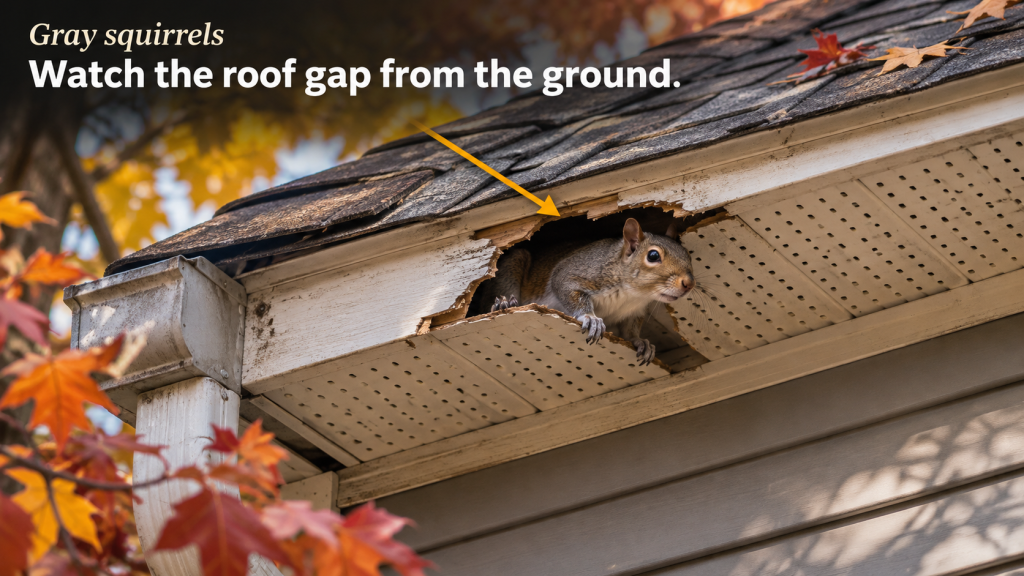
On a Laurelton squirrel call, the opening was along the roof. A ground-level photograph and a note about the time an animal entered gave us a safer starting point than asking anyone to climb. The same roof edge can shelter several animals or insects, and the right repair depends on what is using it.
Squirrels. From the ground, watch for repeated daytime entry at one soffit or roof-edge gap. Keep the hole open until a wildlife professional checks for animals and dependent young. Premature closure can trap them inside.
Paper wasps. Look from a safe distance for an exposed comb beneath an eave. Limit access below a nest near a doorway and have it assessed before painting or repairing the soffit.
Yellowjackets. Multiple wasps repeatedly disappearing into one siding seam can indicate a concealed nest. Keep people away and leave the entrance undisturbed until a professional identifies the nest.
Carpenter ants. Water from a leaking roof edge can soften fascia wood. Photograph recurring trails or coarse debris below the same section and have the leak and affected wood investigated together.
Mosquitoes. While evaluating the roofline, check from the ground for signs of an overflowing gutter or a downspout emptying into a container. Remove accessible standing water and arrange safe gutter maintenance.
What to do before pest control arrives
For mouse or rat droppings, put the broom and vacuum away. CDC recommends ventilating an enclosed space for 30 minutes and leaving the area during that time. For a small cleanup, wear rubber or plastic gloves, wet the droppings thoroughly with disinfectant, and leave it for five minutes or the contact time on the label. Wipe up with paper towels, dispose of the waste, disinfect the surface, and wash your hands. Heavy contamination requires additional precautions. Read CDC’s complete rodent cleanup instructions. (https://www.cdc.gov/healthy-pets/rodent-control/clean-up.html)
For insects, keep one good photo before cleaning. Take a close-up, then step back and photograph the whole fixture, cabinet, window, or wall. A close-up helps identify the insect. The wider shot tells us where to look. For suspected bed bugs, physical evidence is especially important because bites can have several explanations. Avoid foggers and bug bombs. EPA’s guide to finding bed bugs (https://www.epa.gov/bedbugs/how-find-bed-bugs) · NYC Health’s pest safety advice for residents (https://www.nyc.gov/site/doh/health/health-topics/pests-and-pesticides.page)
When you contact us, tell us what happened twice. “A rat disappeared beneath the cabinet beside the stove two nights this week.” “The brown material comes back under the left side of the window.” “Small flies collect beside the basement sink every morning.” A repeat location, a time, and a clear photo give us a place to begin.
For help identifying pest activity or arranging an inspection, call Dreams Pest Control at 516-800-6685. For a closer look at how we trace and repair rodent entry points, see our Queens mouse control service (https://dreamspestscontrol.com/mice-exterminator-queens-ny/) and rodent exclusion and entry-point sealing guide (https://dreamspestscontrol.com/rodent-exclusion-entry-point-sealing-in-queens-ny-dreams-pest-control/).
Where are pests getting in?
From the cabinet base to the roof edge, choose the service that fits what you found.
Along the foundation
Brown mud tubes climb the masonry toward the wood framing.
Find your service
Find your neighborhood
Unsure what you saw?
Tell us where it keeps showing up. We’ll start there.
Leave a Reply